The whole guide

Stucco: the render compressed until the surface closes

A stucco is no thicker than a render; Venetian plaster is thinner than a generous badigeon. What defines it is what is done to it after it goes on: the material is compressed with the blade while it sets, until the surface closes on itself and gives light back. The lime is still there; the porosity, much less so.

On a real wall

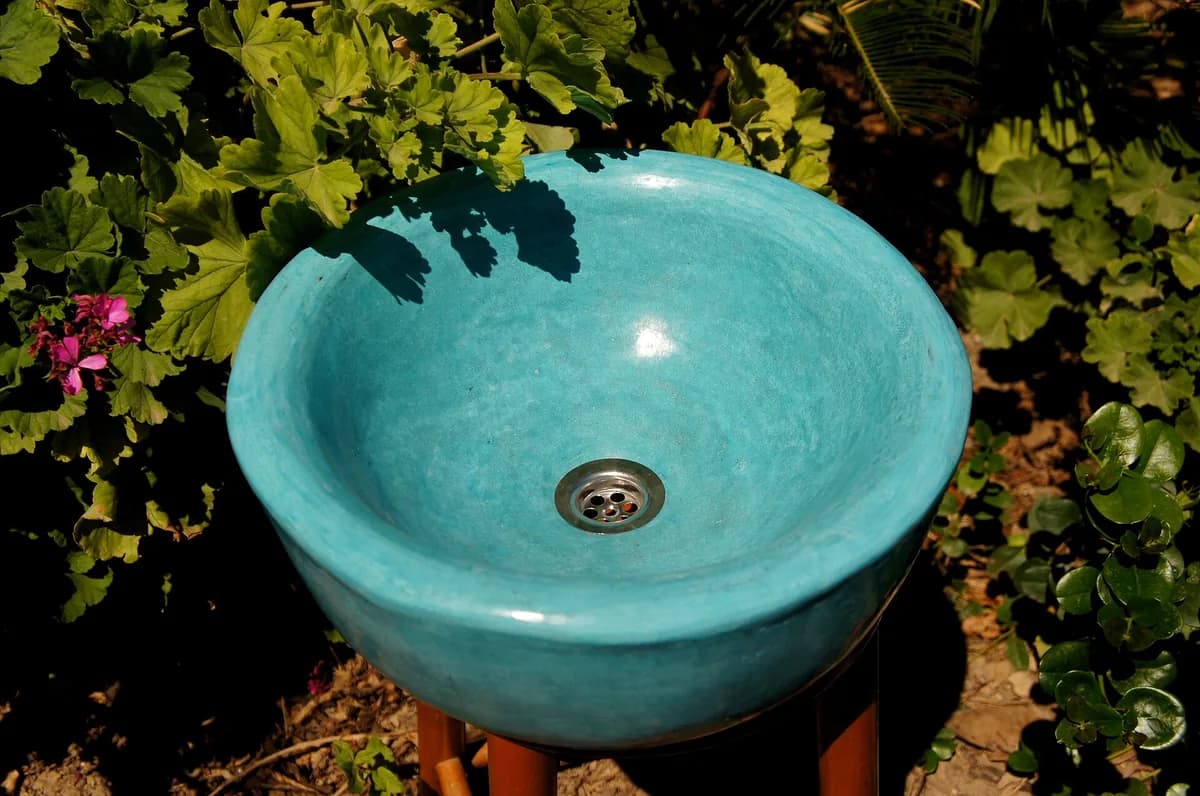
A tadelakt washbasin: no tile, no joint, the same polished lime from the rim to the drain — which is the whole point of it.

A tadelakt washbasin: no tile, no joint, the same polished lime from the rim to the drain — which is the whole point of it.

Photo SpOne · CC BY-SA 4.0 · Wikimedia Commons

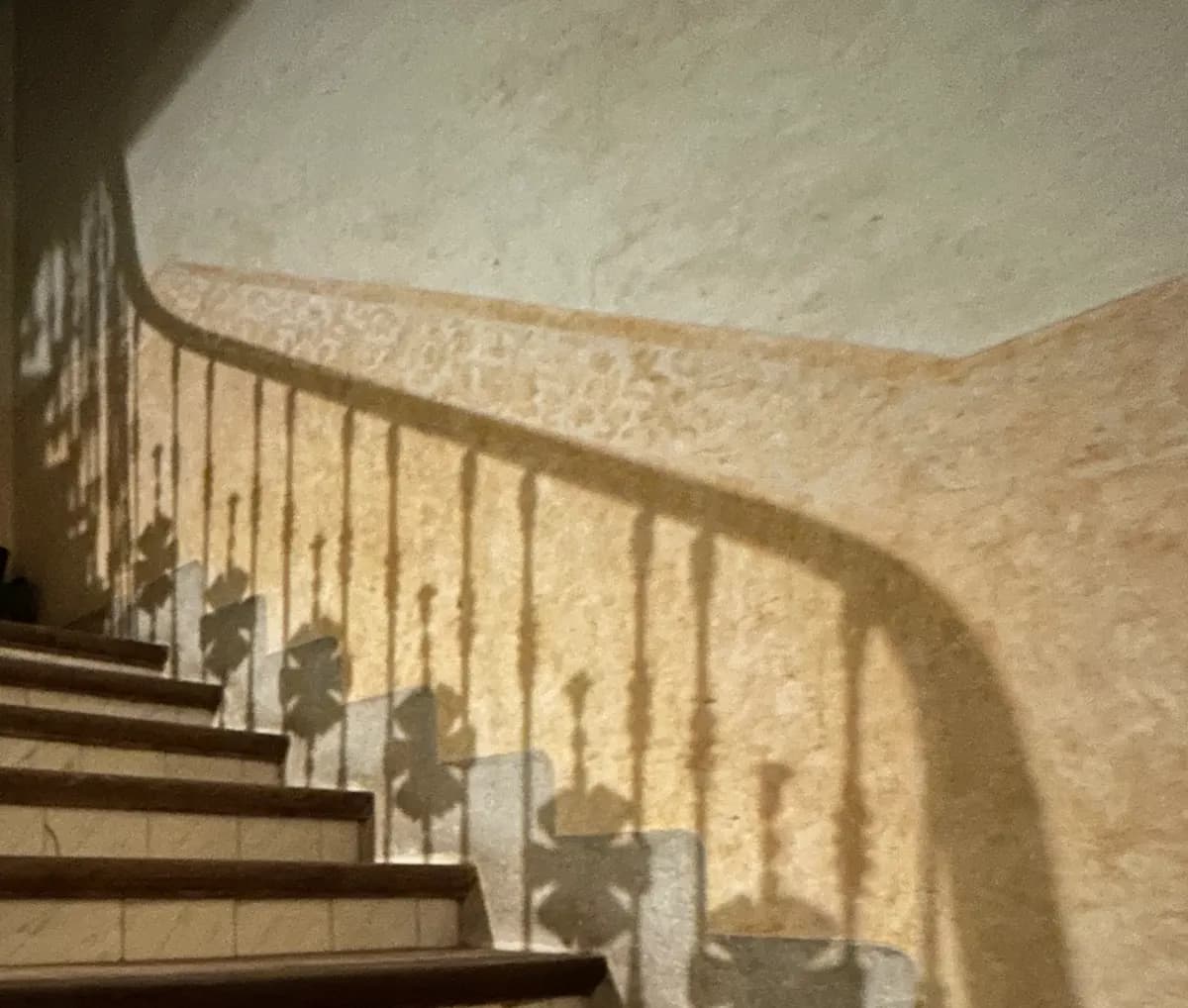
Marmorino in raking light: the track of the blade stays legible, and the satin comes from the compression, not from a varnish.

Marmorino in raking light: the track of the blade stays legible, and the satin comes from the compression, not from a varnish.

Photo CamillaStrong · CC BY-SA 4.0 · cropped · Wikimedia Commons

How it goes on

Two or three very thin passes, then the compression: the blade — or the river stone, for tadelakt — goes back over material that is no longer liquid and not yet hard. The shine comes from that, not from a varnish. A wax or a soap follows, and for tadelakt that soap is not one more finishing step: reacting with the lime, it is what makes the wall waterproof.

Stucco
Laid then compressed until the surface closes — sometimes until it shines.

The finishes in this family

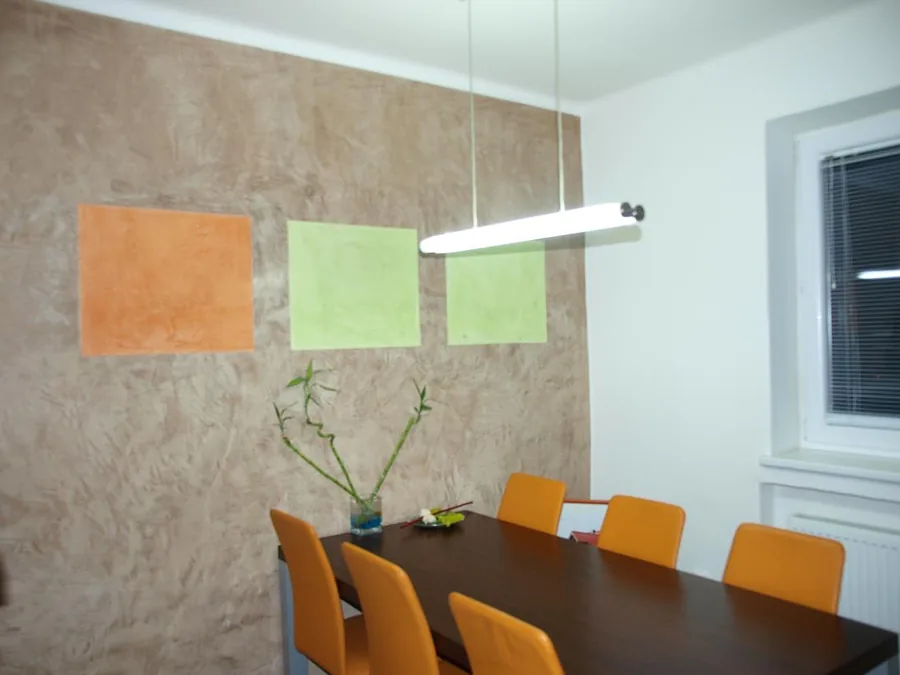
A whole wall in marmorino: the tinted lime keeps the cloudy track of the blade.Stucco

Marmorino

Air lime (CL) · 1–2 mm

The everyday Venetian stucco: two coats compressed with the blade, closing the surface without taking it to a shine.

Made of
Lime putty and marble powder of 0.4–0.8 mm, one volume each in the original recipe, mineral pigments; no additives.
Upkeep
No upkeep at all on a dry wall; a wax or a soap treatment makes it stand the steam of a bathroom.
  • Steam only
  • Exposed
  • Walls only
  • Almost none
  • Vapour-open
Application, price and upkeep

A whole wall in marmorino: the tinted lime keeps the cloudy track of the blade.

Photo Kubko666 · CC BY-SA 3.0 · Wikimedia Commons
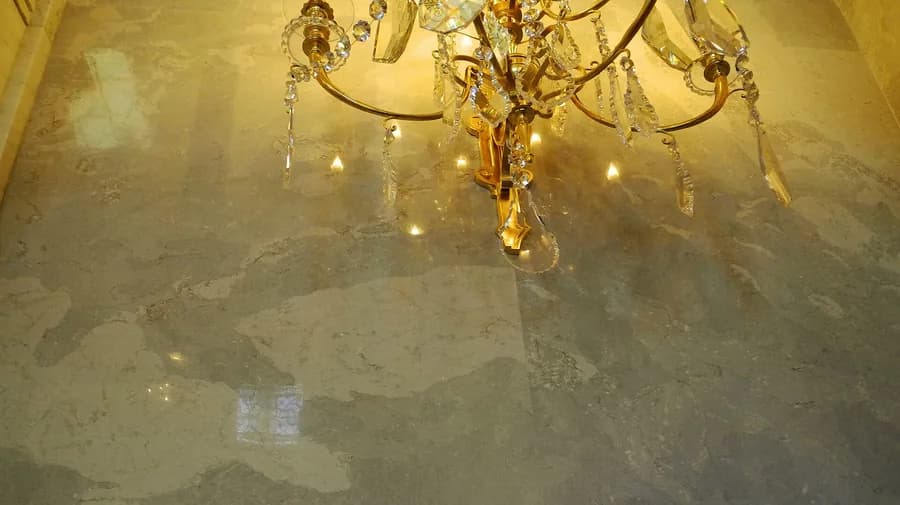
Stucco lustro lining the Small Ballroom of Dresden’s Residenzschloss: marble that is not marble, polished until it throws the chandelier back.Stucco

Stuc vénitien

Air lime (CL) · 0.5–1 mm

The same gesture taken to a polish: a very fine marble flour, worked with the iron until the gloss of marble comes up.

Made of
Lime putty and very fine marble flour, pigments; 2–3 extremely thin coats, waxed at the end.
Upkeep
The gloss is brought back with wax; it scratches, and it dislikes repeated splashing.
  • Splashes
  • Indoors
  • Walls only
  • Periodic
  • Vapour-open
Application, price and upkeep

Stucco lustro lining the Small Ballroom of Dresden’s Residenzschloss: marble that is not marble, polished until it throws the chandelier back.

Photo SchiDD · CC BY-SA 4.0 · Wikimedia Commons

Tadelakt being polished with a stone: it is this burnishing, pass after pass, that closes the lime and gives it its sheen.Stucco

Tadelakt

Hydraulic lime (NHL) · 3–6 mm

The one lime finish that takes running water — and it is the soap, not the lime, that makes it waterproof. The floor of hammams for centuries, walls and floors alike.

Made of
Marrakech lime (feebly hydraulic, rich in silica), marble powder, pigments; compressed with a river stone then saponified with black soap.
Upkeep
The most demanding here: black soap once or twice a week in a bathroom, linseed oil or wax every one to two years.
  • Shower
  • Sheltered
  • Light floor
  • Regular care
  • Vapour-open
Application, price and upkeep

Tadelakt being polished with a stone: it is this burnishing, pass after pass, that closes the lime and gives it its sheen.

Photo Eigenheym · CC BY-SA 4.0 · Wikimedia Commons

Where each one can go

ThicknessWaterOutsideFloorUpkeepVapour
MarmorinoStucco1–2 mmSteam onlyExposedWalls onlyAlmost noneVapour-open
Stuc vénitienStucco0.5–1 mmSplashesIndoorsWalls onlyPeriodicVapour-open
TadelaktStucco3–6 mmShowerShelteredLight floorRegular careVapour-open

Which one to choose

Marmorino is the plainest of the three and the only one that holds outdoors: a matt satin that takes a bathroom's steam. Venetian plaster is the mirror of the family, and it stays dry. Tadelakt is the only one that takes the jet of a shower, and it is re-soaped — a wall you look after, not a wall you forget. "Tadelakt effect" is none of the three.

The other thicknesses